Leporello, 103 pages, 140x180 mm, open 14 meters
Art residency Coma, Valdivia (CL), 2023
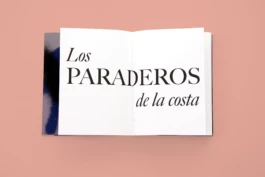
Los paraderos de la costa is a photobook documenting the bus stops along the coastal road between Valdivia and Curiñanco, exploring the hidden stories embedded in this everyday landscape.
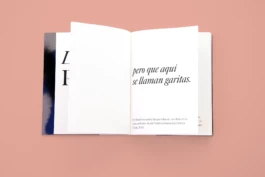
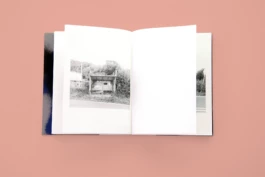
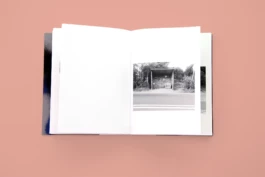
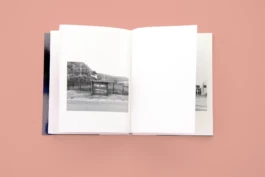
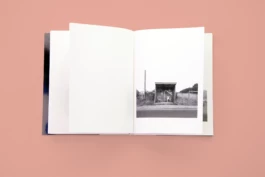
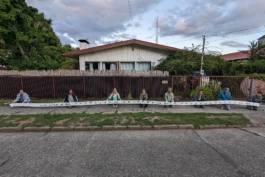
Designed as a hand-bound leporello, the publication unfolds into a 14-metre-long sequence. Rather than following a conventional page order, the photographs are positioned according to the geographical location of each bus stop: left or right depending on the side of the road, higher or lower according to their altitude. While closed, the binding creates a rhythmic succession of images that echoes the movement of the bus as it travels up and down the coastal route. Fully unfolded, the book reveals the topographic profile of the road running through the hills.
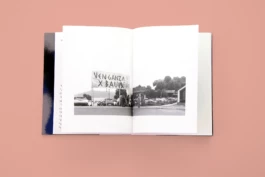
The photographs are accompanied by a written narrative that emerged through conversations with local residents. Waiting at the bus stops became an opportunity to engage with the people who use them every day, while the graffiti covering their walls offered an entry point into the social and political realities of the territory. Moving between documentary photography, mapping and editorial design, the publication transforms the bus journey into an alternative way of reading the landscape.



Leporello, 103 pages, 140x180 mm, open 14 meters
Art residency Coma, Valdivia (CL), 2023
Los paraderos de la costa is a photobook documenting the bus stops along the coastal road between Valdivia and Curiñanco, exploring the hidden stories embedded in this everyday landscape.
Designed as a hand-bound leporello, the publication unfolds into a 14-metre-long sequence. Rather than following a conventional page order, the photographs are positioned according to the geographical location of each bus stop: left or right depending on the side of the road, higher or lower according to their altitude. While closed, the binding creates a rhythmic succession of images that echoes the movement of the bus as it travels up and down the coastal route. Fully unfolded, the book reveals the topographic profile of the road running through the hills.
The photographs are accompanied by a written narrative that emerged through conversations with local residents. Waiting at the bus stops became an opportunity to engage with the people who use them every day, while the graffiti covering their walls offered an entry point into the social and political realities of the territory. Moving between documentary photography, mapping and editorial design, the publication transforms the bus journey into an alternative way of reading the landscape.
Micol Favini, ©2026 | All Rights Reserved